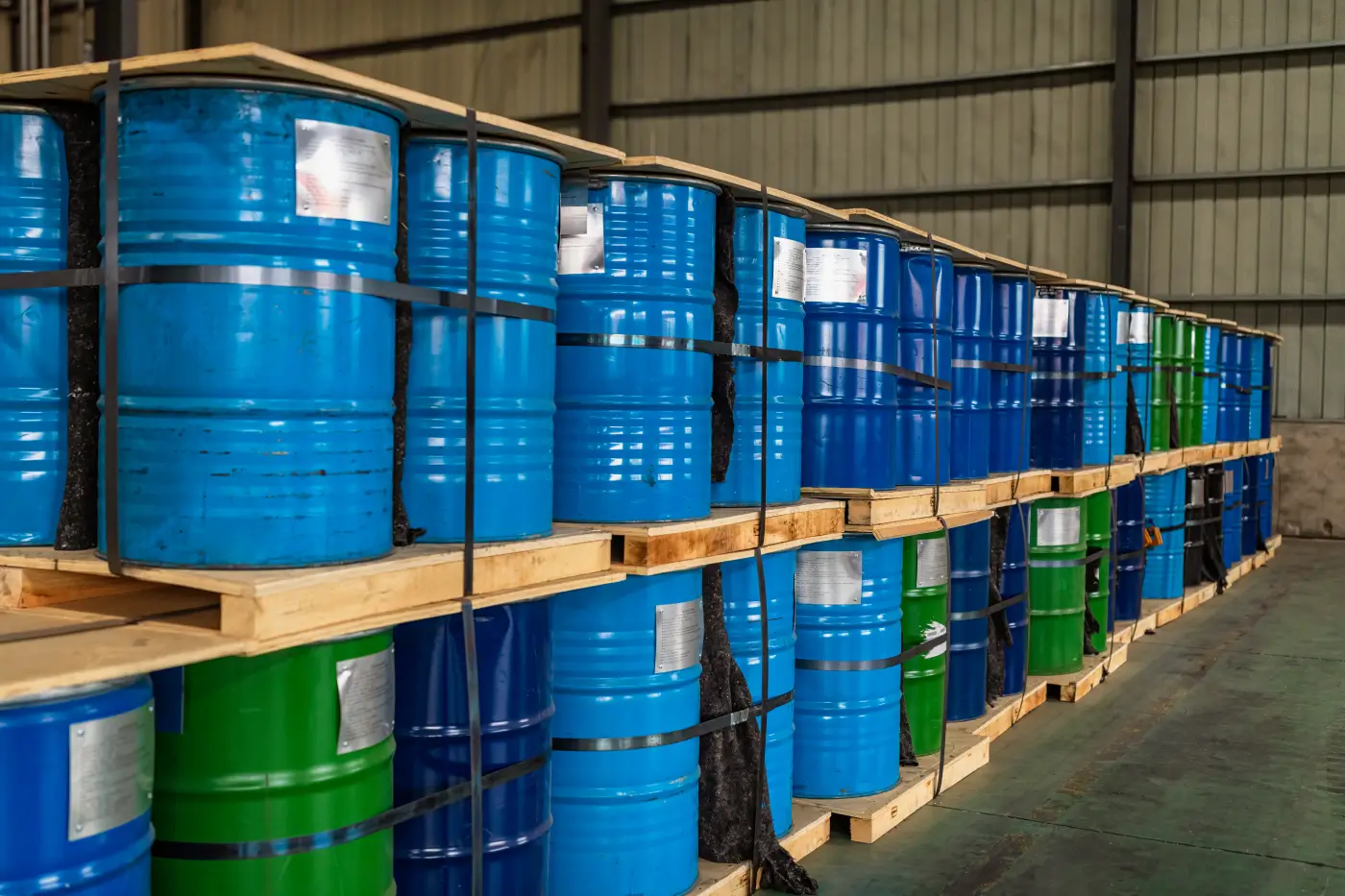
For a long time, disposal was just part of running a chemical operation. You’d end up with surplus inventory, an off-spec batch, or a byproduct stream with no immediate outlet. It got classified, scheduled, hauled off, and the plant moved on.
But the current market doesn’t let many things stay that simple.
Margins are tighter. Freight is still expensive and inconsistent. Storage and carrying costs haven’t eased the way many hoped they would. And capital isn’t as patient as it once was.
When that’s the environment, every recurring expense deserves a closer look—including the ones that feel routine. Disposal is one of them.
What Product Disposal Really Costs
Most companies know what they’re paying to remove material. What’s easier to miss is everything wrapped around that decision.
There’s the tank space tied up while material waits to move. The internal time spent coordinating waste handling. The compliance paperwork. The reporting. The oversight. And then there’s the larger question no one puts on the invoice: Was that material truly without value?
In many cases, it isn’t.
A solvent that’s off-spec for one customer may be perfectly workable in a different application. A surplus intermediate may not fit this quarter’s forecast but still has demand in another market. A byproduct stream that doesn’t meet prime standards may still carry usable chemistry.
When margins were wider, it was easier to write those things off. Today, writing them off too quickly can quietly erode profitability.
When Margins Shrink, Waste Gets More Expensive
The broader market outlook makes one thing clear: companies are operating with less cushion. Logistics remains a pressure point. Spreads are narrower. Costs that used to be background noise now show up clearly in financial performance.
Under those conditions, disposal isn’t just a compliance function. It’s a profit-loss decision.
Every load that leaves as waste represents sunk production cost: raw materials, energy, labor, storage, transportation. Paying again to remove it only compounds that loss. Multiply that across multiple streams over the course of a year, and the impact becomes meaningful.
This is where Beneficial Reuse serves a clear purpose.
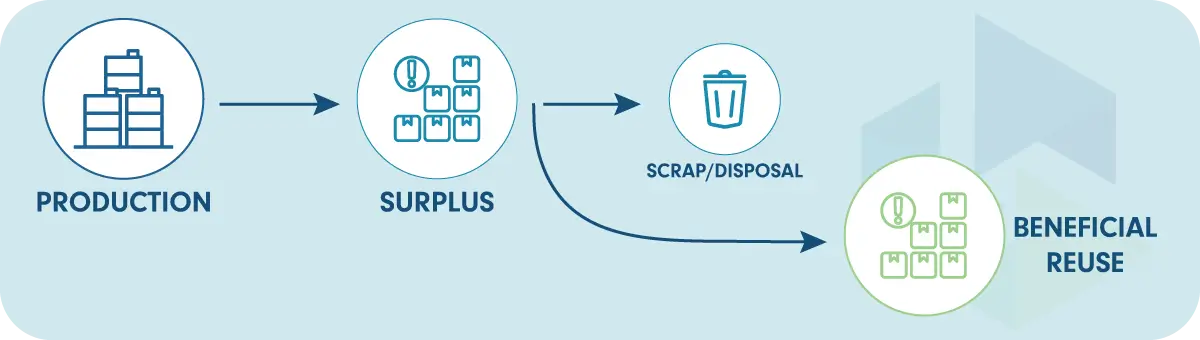
The Missed Step Between Surplus and Scrap
At its core, Beneficial Reuse is straightforward. Instead of viewing secondary material as something to eliminate, it treats it as something to manage.
That means identifying downstream markets where specification flexibility exists. It means understanding where price sensitivity creates opportunity. And it means having the logistics and regulatory structure in place to move material efficiently and responsibly.
When done correctly, the shift is practical and straightforward. Waste-handling spend decreases. Storage pressure eases. Some portion of the material generates recovered value instead of pure expense.
It doesn’t require new production or major capital investment—only a more disciplined approach to material flows.
Where Reuse Either Pays Off — or Doesn’t
In today’s environment, logistics are the difference between a good idea and a viable strategy.
Freight costs remain elevated enough that inefficient movement can erase margin quickly. But coordinated redistribution (moving secondary streams into established demand channels) often compares favorably to disposal when the full cost picture is considered.
The key is infrastructure: real buyers, realistic pricing, regulatory clarity, and transportation planning that makes financial sense. Without those pieces, disposal feels easier. With them, reuse becomes a repeatable part of operations.
Where Reuse Either Pays Off — or Doesn’t
In today’s environment, logistics are the difference between a good idea and a viable strategy.
Freight costs remain elevated enough that inefficient movement can erase margin quickly. But coordinated redistribution (moving secondary streams into established demand channels) often compares favorably to disposal when the full cost picture is considered.
The key is infrastructure: real buyers, realistic pricing, regulatory clarity, and transportation planning that makes financial sense. Without those pieces, disposal feels easier. With them, reuse becomes a repeatable part of operations.
A Smarter Way to Move Chemicals
There will always be material that needs to be disposed of. That reality isn’t changing.
What is changing is the cost of defaulting to that decision.
In a year defined by tighter margins and higher logistics costs, companies that evaluate secondary streams commercially—not just operationally—are finding ways to reduce waste-handling spend and recover value from what they’re already producing.
Beneficial Reuse isn’t about reframing waste for optics. It’s about recognizing that in this market, efficiency isn’t optional. Every stream leaving the plant deserves scrutiny.
And sometimes, what looks like waste is simply value that hasn’t been redirected yet.
Turning Secondary Streams Into Strategic Value
If you think Beneficial Reuse could fit within your operation, you’re in the right place.
For more than two decades, we’ve worked with producers to identify downstream markets for surplus, off-spec, and secondary materials that still carry commercial value. With established demand channels, logistics coordination, and regulatory clarity, we help companies reduce waste-handling costs while recovering value from material that would otherwise be written off.
In a market defined by tighter margins and higher logistics costs, secondary streams shouldn’t be an afterthought. They should be managed with the same discipline as prime products.
If you’re evaluating disposal costs more closely this year, it may be time to look at what’s leaving your facility differently.